


Effective Event Management Security Strategies Explained
Event management is a complex task that involves meticulous planning, coordination, and execution. One of the most critical aspects of organizing any event is ensuring the safety and security of all attendees. With the rise of various threats, from natural disasters to security breaches, having effective security strategies in place is essential. This blog post will explore various security strategies that can be implemented to ensure a safe and successful event.
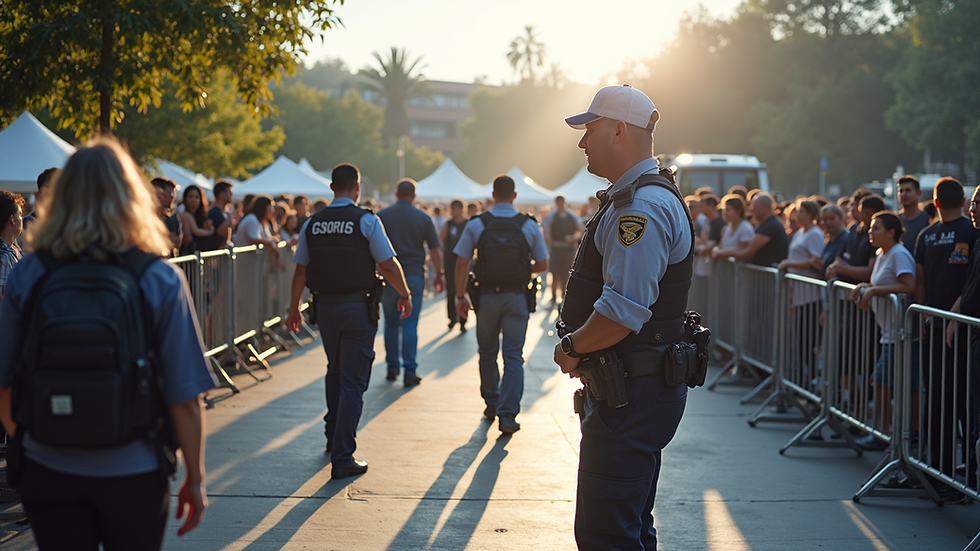
Understanding the Importance of Event Security
Event security is not just about preventing incidents; it’s about creating a safe environment that allows attendees to enjoy the event without fear. A well-implemented security strategy can:
Enhance attendee experience: When people feel safe, they are more likely to engage and enjoy the event.
Protect assets: Events often involve significant investments in equipment, merchandise, and venues. Security helps safeguard these assets.
Mitigate risks: Identifying potential threats and having a plan in place can reduce the likelihood of incidents occurring.
Risk Assessment: The Foundation of Security Planning
Before any event, conducting a thorough risk assessment is crucial. This involves identifying potential threats and vulnerabilities specific to the event. Here’s how to approach it:
Identify potential threats: Consider various scenarios, including natural disasters, medical emergencies, and security breaches.
Evaluate vulnerabilities: Assess the venue layout, access points, and crowd dynamics to identify weak spots.
Determine impact: Analyze how each threat could affect the event and its attendees.
Develop a response plan: Create a plan that outlines how to address each identified risk.
Implementing Access Control Measures
Access control is a vital component of event security. It ensures that only authorized individuals can enter specific areas. Here are some effective access control measures:
Ticketing systems: Use digital or physical tickets to manage entry. Consider implementing QR codes for quick scanning.
Credentialing: Provide staff and vendors with identifiable badges that grant them access to restricted areas.
Checkpoints: Set up security checkpoints at entrances to screen attendees and bags.
Crowd Management Strategies
Managing large crowds is essential for maintaining safety and order. Here are some strategies to consider:
Clear signage: Use signs to direct attendees and provide information about exits, restrooms, and emergency procedures.
Trained staff: Employ trained security personnel to monitor crowd behavior and respond to any issues.
Emergency exits: Ensure that all emergency exits are clearly marked and accessible.
Emergency Response Planning
No matter how well you plan, emergencies can still occur. Having a robust emergency response plan is essential. Here’s how to create one:
Establish a command center: Designate a location for security personnel to coordinate responses during an emergency.
Communication plan: Ensure that all staff members know how to communicate during an emergency, using radios or mobile devices.
Training drills: Conduct regular training sessions and drills to prepare staff for various emergency scenarios.
Utilizing Technology for Enhanced Security
Technology can significantly enhance event security. Here are some tools that can be beneficial:
Surveillance cameras: Install cameras to monitor the venue and deter potential threats.
Drones: Use drones for aerial surveillance, especially for large outdoor events.
Mobile apps: Develop an event app that provides attendees with safety information and emergency contacts.
Collaborating with Local Authorities
Building a relationship with local law enforcement and emergency services can enhance your event's security. Here’s how to collaborate effectively:
Pre-event meetings: Schedule meetings with local authorities to discuss your security plans and any potential concerns.
On-site presence: Consider having police officers or emergency responders on-site during the event.
Post-event debrief: After the event, meet with authorities to review what worked well and what could be improved.
Training Staff and Volunteers
Your staff and volunteers are the first line of defense when it comes to event security. Providing them with proper training is essential. Here are some training topics to cover:
Emergency procedures: Ensure all staff know how to respond in various emergency situations.
Conflict resolution: Train staff on how to handle disputes or unruly behavior among attendees.
First aid: Consider offering first aid training to staff members to address medical emergencies.
Post-Event Evaluation
After the event, it’s crucial to evaluate the effectiveness of your security strategies. Here’s how to conduct a thorough evaluation:
Gather feedback: Collect feedback from attendees, staff, and security personnel about their experiences.
Analyze incidents: Review any incidents that occurred during the event and assess how they were handled.
Identify improvements: Determine what worked well and what could be improved for future events.
Conclusion
Effective event management security strategies are essential for creating a safe environment for attendees. By conducting thorough risk assessments, implementing access control measures, and utilizing technology, you can significantly enhance the security of your event. Remember, the goal is not just to prevent incidents but to create an atmosphere where everyone can enjoy the experience without fear. As you plan your next event, consider these strategies to ensure a successful and secure gathering.
By prioritizing security, you not only protect your attendees but also enhance their overall experience, leading to a more successful event.


Comments