


Top Corporate Security Solutions for Your Business
In an era where cyber threats and physical security risks are on the rise, ensuring the safety of your business is more critical than ever. Companies of all sizes face challenges that can jeopardize their assets, data, and reputation. This blog post will explore the top corporate security solutions available today, helping you make informed decisions to protect your organization.
Understanding Corporate Security
Corporate security encompasses a wide range of practices and technologies designed to protect a company's assets, employees, and information. This includes both physical security measures, such as surveillance systems and access control, and cybersecurity strategies to safeguard digital data.
Why Corporate Security Matters
Protection of Assets: Businesses invest significant resources in their physical and digital assets. Security measures help prevent theft, vandalism, and data breaches.
Regulatory Compliance: Many industries are subject to regulations that require specific security measures. Non-compliance can lead to hefty fines and legal issues.
Reputation Management: A security breach can damage a company's reputation, leading to loss of customer trust and business opportunities.
Employee Safety: Ensuring a safe working environment is essential for employee morale and productivity.
Key Components of Corporate Security Solutions
Physical Security
Physical security involves protecting the tangible assets of a business. Here are some essential components:
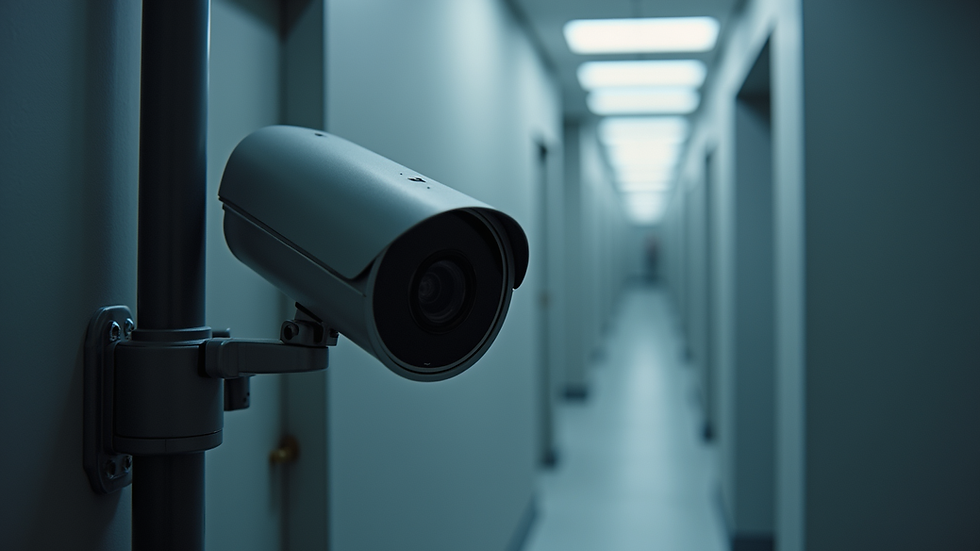
Surveillance Systems
Modern surveillance systems utilize high-definition cameras and advanced analytics to monitor premises. Features to consider include:
Remote Access: Allows security personnel to monitor feeds from anywhere.
Motion Detection: Alerts security teams to unusual activity.
Night Vision: Ensures visibility in low-light conditions.
Access Control Systems
Access control systems manage who can enter specific areas of a facility. Options include:
Key Card Systems: Employees use key cards to gain access, which can be easily deactivated if lost.
Biometric Systems: Fingerprint or facial recognition systems provide a higher level of security.
Visitor Management: Track and control access for guests and contractors.
Cybersecurity
With the increasing reliance on technology, cybersecurity has become a vital aspect of corporate security. Key solutions include:
Firewalls and Intrusion Detection Systems
Firewalls act as barriers between trusted internal networks and untrusted external networks. Intrusion detection systems monitor network traffic for suspicious activity.
Data Encryption
Encrypting sensitive data ensures that even if it is intercepted, it remains unreadable without the proper decryption key. This is crucial for protecting customer information and proprietary data.
Employee Training
Human error is often the weakest link in security. Regular training sessions on cybersecurity best practices can significantly reduce risks. Topics should include:
Recognizing phishing attempts
Safe password practices
Secure use of company devices
Integrating Security Solutions
To create a robust security posture, businesses should integrate various security solutions. This holistic approach ensures that physical and digital security measures work together seamlessly.
Risk Assessment
Conducting a thorough risk assessment is the first step in integrating security solutions. This process involves:
Identifying Vulnerabilities: Determine areas where the business is most at risk.
Evaluating Threats: Analyze potential threats, both physical and cyber.
Prioritizing Risks: Focus on the most critical vulnerabilities first.
Developing a Security Plan
Once risks are assessed, develop a comprehensive security plan that includes:
Policies and Procedures: Establish clear guidelines for security practices.
Incident Response Plan: Outline steps to take in the event of a security breach.
Regular Reviews: Schedule periodic reviews of security measures to adapt to new threats.
Emerging Trends in Corporate Security
As technology evolves, so do security threats and solutions. Here are some emerging trends to watch:
Artificial Intelligence and Machine Learning
AI and machine learning are transforming security by enabling predictive analytics. These technologies can analyze vast amounts of data to identify patterns and predict potential security incidents.
Cloud Security Solutions
As more businesses move to the cloud, securing cloud environments becomes essential. Solutions include:
Cloud Access Security Brokers (CASBs): These act as intermediaries between cloud service users and providers to enforce security policies.
Data Loss Prevention (DLP): DLP solutions help prevent sensitive data from being shared or accessed inappropriately.
Remote Monitoring and Management
With the rise of remote work, businesses need solutions that allow for effective monitoring and management of security systems from anywhere. This includes:
Mobile Security Apps: Enable security personnel to monitor systems on the go.
Cloud-Based Security Management: Centralizes security management in a single platform accessible from any device.
Choosing the Right Security Solutions
Selecting the right security solutions for your business involves careful consideration of several factors:
Assessing Your Needs
Evaluate your specific security needs based on:
Industry Requirements: Different industries have varying security regulations.
Business Size: Larger organizations may require more complex solutions.
Budget Constraints: Determine how much you can invest in security measures.
Researching Vendors
When choosing security vendors, consider:
Reputation: Look for companies with a proven track record in security.
Customer Support: Ensure they offer reliable support and training.
Scalability: Choose solutions that can grow with your business.
Conclusion
Investing in corporate security solutions is not just a necessity; it is a strategic move that can safeguard your business's future. By understanding the various components of security, integrating solutions, and staying informed about emerging trends, you can create a secure environment for your employees and assets.
Take the first step today by assessing your current security measures and exploring new solutions that fit your business needs. Remember, a proactive approach to security can save you from potential losses and enhance your company's reputation in the long run.



Comments